Commercial Carpet Care Across Managed Properties
Property Management Carpet Cleaning in Hammond
Need Carpet Cleaning Coordination for Hammond Property Managers for a Hammond-area property? Tell us about the areas you need cleaned and the best time to reach you. Call us or fill out the form, and we will contact you to discuss the job and provide a quote.
Serving Hammond and Northwest Indiana homes, apartments, condos, and workplaces.
Get a quote
Get a commercial cleaning quote in Hammond
Choose a service and your city, then send your contact information. We will contact you to discuss the job and provide a quote.
Quote request received
Quick details
Tell us about your business
Tell us the property type, rooms, floors, and busiest areas.
Share your open hours and when the cleaning can be completed.
Tell us about loading, keys, elevators, parking, and security rules.
Create a Clear Work Order for Each Property
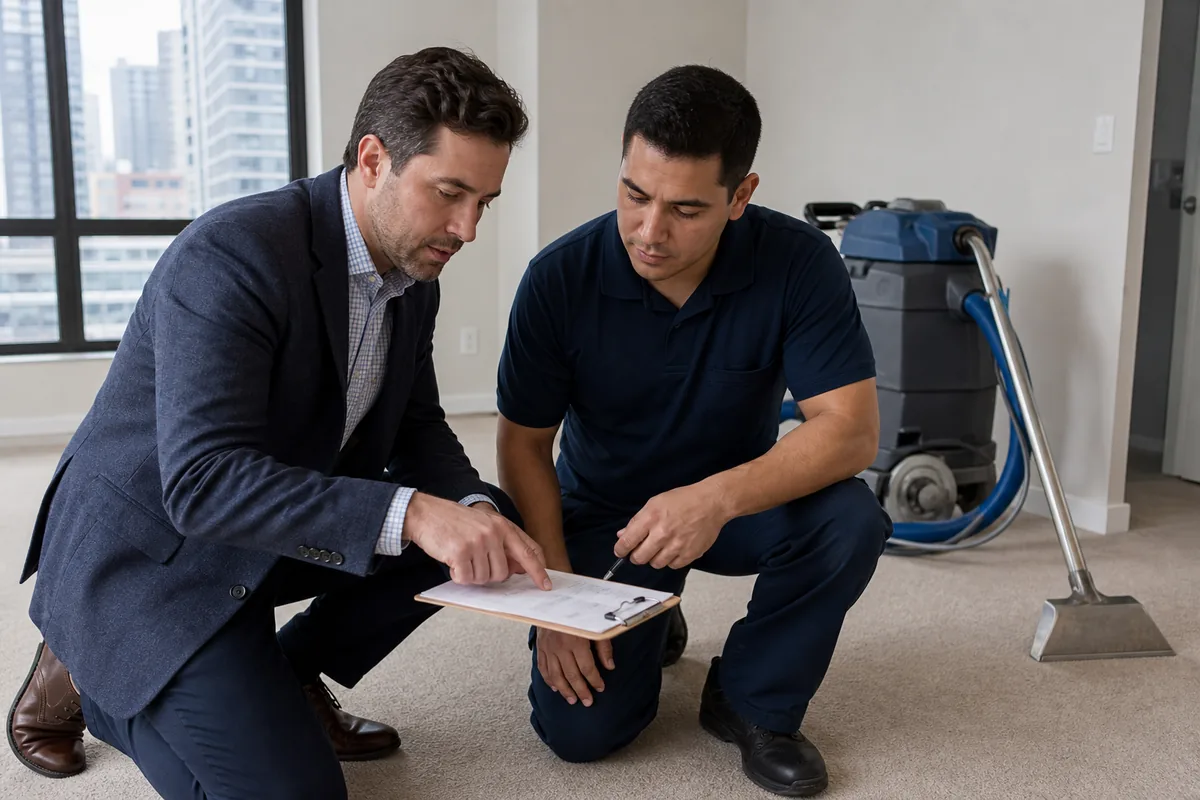
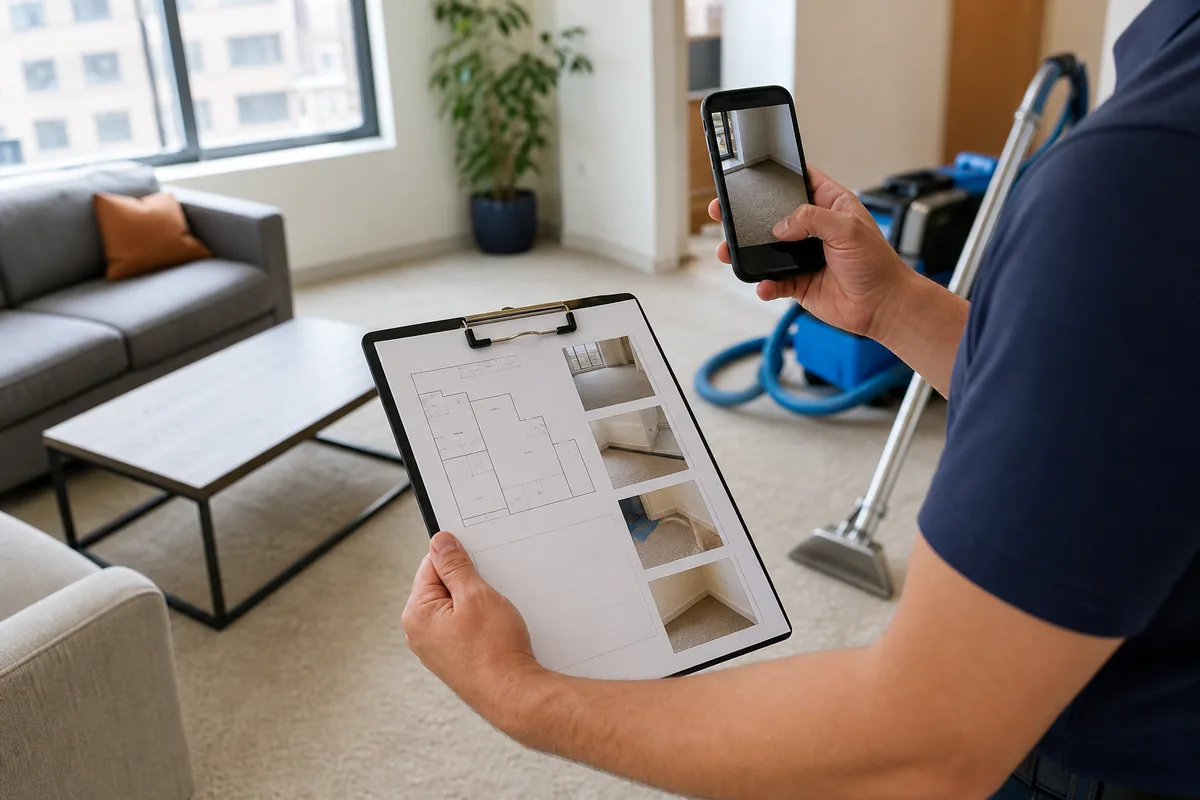
A complete request names the building, unit or common area, carpeted rooms, occupancy status, site contact, access method, parking or loading conditions, and the concern to inspect. Photos and prior notes can help, but they do not replace an on-site review of carpet construction and condition. We also identify stairs, elevators, locked vestibules, furniture, pets, utilities, and areas excluded from the work. Clear naming prevents an occupied-unit request from being confused with a vacant turn or a corridor project. It also gives accounting and maintenance teams a useful record of what was requested, accessible, completed, or referred elsewhere.
Separate Unit Turns From Occupied Requests
Vacant units often provide broad access, while occupied homes require coordination around belongings, furniture, pets, resident communication, and privacy. The manager defines who may authorize entry, move items, receive updates, and approve any work change. Technicians should not infer permission from an unlocked door or maintenance key. In a turn, cleaning is best sequenced after dusty work and before new items cover the carpet, with time protected for drying and review. In occupied spaces, accessible areas and movement limits are documented. Cleaning records describe service and condition; they do not decide responsibility between owner, resident, vendor, insurer, or other parties.
Get a quote for your property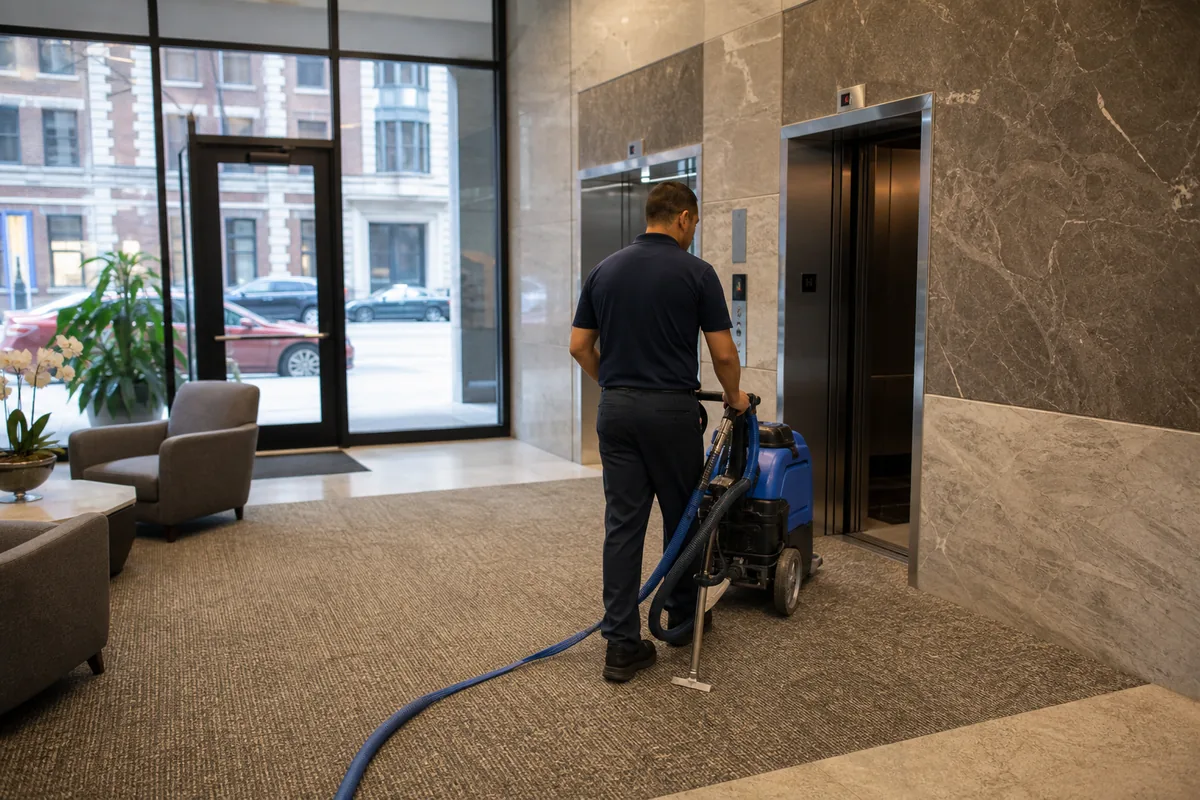
Assess Soil, Odor, Wear, and Damage Separately
Dark traffic lanes may include both removable soil and physical abrasion. A spot may be an accessible spill, permanent dye change, or evidence of material below the carpet. Odor can originate in carpet, padding, subfloor, walls, drains, furnishings, or an ongoing moisture source. We document these distinctions so a routine cleaning order is not treated as a promise to resolve every condition. Prior products and repair history are useful when available. Burns, tears, loose seams, delamination, bleach marks, active leaks, and replacement-level wear need the appropriate maintenance, flooring, restoration, or ownership decision beyond ordinary carpet cleaning.
Coordinate Keys, Parking, Elevators, and Residents
Hammond property access can involve permit parking, loading zones, call boxes, locked courtyards, walk-up stairs, freight reservations, and building-specific vendor procedures. The work order should name a reachable contact and explain key return, alarm, pet, and resident-notice requirements. Common-area projects need approved routes and section control, while unit work needs clear entry authority. Equipment and damp carpet are included in the access plan, not treated as an afterthought. The manager or building staff retains responsibility for occupant communication and reopening decisions. Advance coordination reduces failed access and helps the crew avoid blocking entrances, elevators, or resident paths during setup and drying.
Standardize Portfolio Records Without Hiding Differences
Consistent property codes, room names, photographs, condition categories, and completion notes make work easier to compare across a portfolio. The record can identify recurring entry soil, units with prior spot history, damaged transitions, inaccessible areas, and referrals for repair or moisture investigation. Standardization should not force every building into the same frequency or method. Traffic, carpet construction, occupancy, entry exposure, ventilation, and management procedures remain property-specific. After drying, the authorized contact can review the area and update the maintenance record. These documents support preparation and vendor administration without certifying deposit decisions, lease compliance, indoor environmental conditions, or guaranteed carpet life.
Planning around your facility
Commercial cleaning questions
Include the property, unit or area, room list, occupancy, access authority, contact, parking or elevator rules, furniture limits, known spots or odors, pets, and requested documentation.
Cleaning can clarify recoverable soil and document remaining wear or damage, but replacement is a management decision informed by condition, repairability, ownership standards, and other factors.
Only under a clear authorization and access process established by management. Resident notice, privacy, pets, keys, alarms, and local requirements remain the property manager's responsibility.
They should be included separately. Shared corridors, lobbies, stairs, and elevator landings have different traffic, access, resident-routing, furniture, and drying requirements from a private unit.
Request commercial cleaning
Tell us about your property and schedule.
Call us or fill out the form. We will contact you to discuss the areas you need cleaned and provide a quote.
Get My Quote